Different Types of Automation

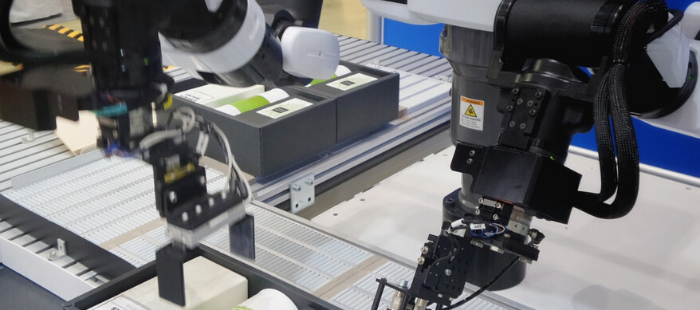
automation graphic

Automation is essentially the use of automated technology and machinery for processes such as manufacturing, eliminating the need of extra labour. The advantages of automation are: Reduced human labour required Consistency in quality Fewer risks of human error Improved health…

read more →

Machine Automation Explained

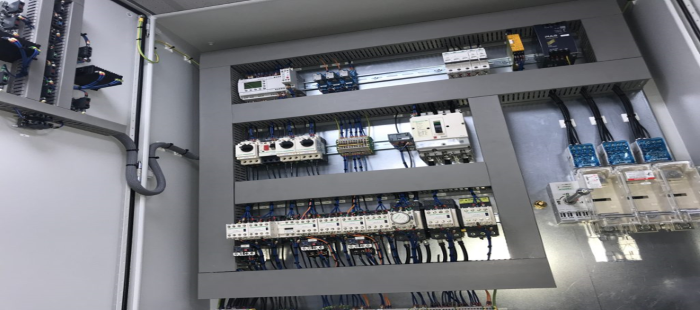
electrical panel

Machine automation, in basic terms, is any information technology that controls machinery. Many modern machines function with some form of computer control, and in many cases, they are also integrated with business systems that provide control inputs. For example, a…

read more →

How Can Food Manufacturers Leverage Big Data?

hexagon design.

Big data analytics is the new disruptive force in Industry. It’s making waves in food production as manufacturing juggernauts are reimagining process to improve safety standards, facilitate product customisations, and optimise both packaging and distribution. While there remain many hurdles…

read more →

The Growth of SCADA Systems: How to Revolutionise Your Business

The rise of automation is upending industries across the board. SCADA – which stands for ‘Supervisory Control and Data Acquisition’ – is at the forefront of the revolution with its intelligent, independent control systems introducing unimaginable efficiencies into the manufacturing…

read more →

How Harnessing Technology Could Unlock Billions

The fourth industrial revolution will unlock billions in additional revenue for UK manufacturers. Through machine automation, AI, and SCADA systems, productivity will flourish, while costs could plummet by as much as £53bn—potentially passing £2bn of savings directly onto consumers. This…

read more →

4 Ways Automation Could Boost Your Business Post-Brexit

Politics aside, it is now upon the British population to approach Brexit from a positive angle. Granted, worries and concerns remain – but in our technically advanced age, much of the anxiety can be overcome through upgrading legacy systems. So,…

read more →